

Introduction
For decades, the word “luxury” was synonymous with “brand new.” It evoked images of pristine boutiques, white-glove service, and the latest runway collections. However, the tides of fashion are shifting. In the modern era, the most sophisticated closets are no longer filled solely with items straight from the department store. Instead, they are curated collections of “pre-loved” or vintage pieces. This shift isn’t just a trend; it’s a fundamental change in how we perceive value, style, and status. At FishGo, we believe that high-end second-hand goods represent the pinnacle of conscious luxury.
The Rise of the Conscious Consumer
The driving force behind the resale revolution is a new generation of consumers—Gen Z and Millennials—who prioritize ethics as much as aesthetics. Fast fashion’s environmental impact has been well-documented, leading to a “guilt factor” in consumption. High-end resale offers a solution. By purchasing a pre-owned Hermès Birkin or a vintage Chanel jacket, a buyer is extending the lifecycle of a masterfully crafted item. This “circular fashion” economy reduces waste and honors the craftsmanship that went into the product. Today, wearing vintage isn’t just a style choice; it’s a badge of honor that says, “I care about the planet as much as I care about my look.”
The Quest for Rarity and Uniqueness
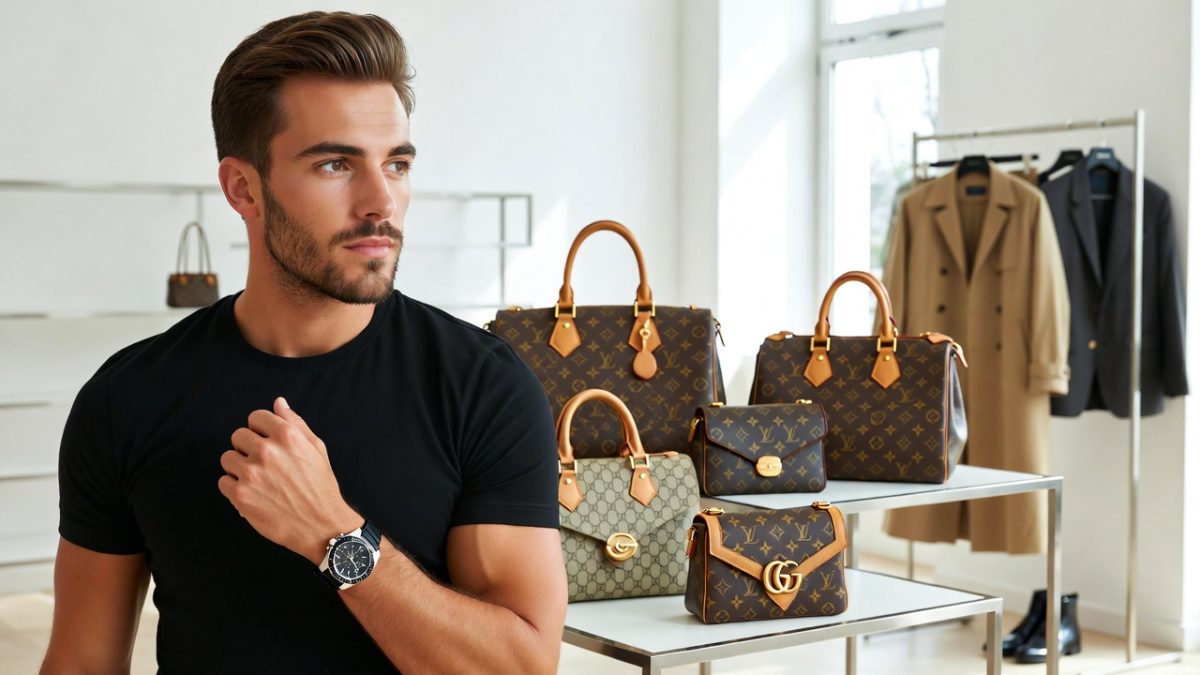
In a globalized world, “mass luxury” has become a reality. You can walk into a mall in Shanghai, London, or New York and see the same seasonal bags. For the true fashion connoisseur, this ubiquity is the opposite of luxury. Luxury is defined by exclusivity. This is where the second-hand market shines. Through cross-border platforms like FishGo, collectors can find discontinued limited editions, runway pieces from the 90s, or regional exclusives that were never released in their home country. Owning a piece that no one else in the room has is the new ultimate status symbol. It shows a level of “fashion IQ” and effort that simply buying the newest arrival cannot match.
Superior Craftsmanship and "Vintage Quality"
There is a growing sentiment among collectors that “they don’t make them like they used to.” Many vintage luxury items were produced in smaller quantities with higher-quality materials and more hand-stitching compared to some modern mass-luxury counterparts. For instance, vintage Louis Vuitton trunks or 1980s Chanel jewelry often feature 24k gold plating—a practice that has largely been phased out in modern production. By buying high-end second-hand, consumers are often getting a product that is objectively more durable and better made than what is currently on the shelves.
The Investment Perspective
High-end second-hand goods are increasingly being viewed as an alternative asset class. While a new car loses value the moment it leaves the lot, a well-maintained luxury handbag can actually appreciate. Brands like Hermès, Patek Philippe, and Rolex have proven to be “recession-proof” investments. The resale market provides transparency on which items hold their value, allowing buyers to shop with their heads as well as their hearts. At FishGo, we facilitate this global exchange, ensuring that these high-value assets find their way to the collectors who appreciate them most.
Conclusion
The evolution of fashion has brought us to a beautiful intersection where history, sustainability, and style meet. Pre-loved luxury is no longer about “buying used”; it is about “curating excellence.” It represents a move away from impulsive consumption toward intentional collection. As we look to the future, the most stylish individuals will be those who look backward to find the gems that define their unique path forward.