


This paper elaborates on the technical process of authenticating high-end second-hand goods, demonstrating professional rigor spanning materials science and technology.
Introduction
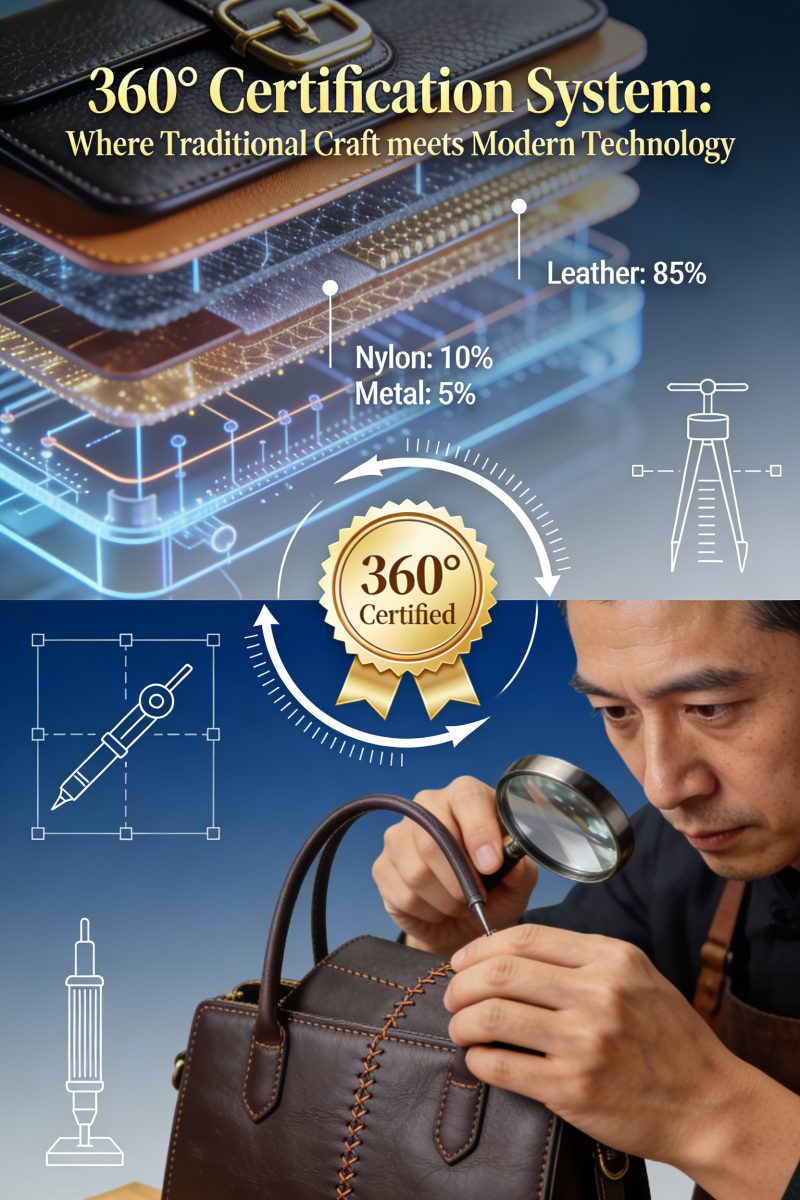
When a high-end second-hand item is shipped from an overseas seller and enters Fishgo’s global circulation system, it must undergo an inspection as rigorous as a “military enlistment physical”. Our 360° Certification System combines the expertise of traditional craftsmen with the computing power of modern precision instruments, ensuring every classic piece in circulation stands the test of time.
Phase 1: Sensory Tracing and Materials Science Analysis
Phase 2: Structural Mechanics and Precision Craftsmanship
For precision devices such as high-end watches and cameras, authentication shifts to the structural level. Our authenticators use spectrometers to analyze the metal composition of watch cases, verifying the purity of 18K gold or 904L steel. More importantly, we perform “non-destructive testing” on internal structures, checking for screw scratch marks and whether the movement amplitude matches original factory specifications. In cross-border transactions, these internal details often determine the item’s future value retention and service life.
Phase 3: Digital Fingerprinting and End-to-End Traceability
Passing authentication is not the final step. Fishgo creates a “digital identity profile” for every item. High-precision photography records the item’s authentic condition at the time of authentication, which is then linked to an anti-counterfeiting tag (RFID or traceable code). This end-to-end traceability eliminates the risk of product switching during cross-border logistics.

Conclusion
We do not merely authenticate genuineness—we establish a standardized, quantifiable value coordinate system for every collector who pursues excellence.