

How to Authenticate Pre-Owned Luxury Bags: A Comprehensive Guide for Collectors
Investing in pre-owned luxury bags is a sustainable choice. It also allows ownership of iconic, out-of-production designs. However, the market is rife with counterfeits. Many fakes are so well-made that even seasoned lovers get deceived.
We created this definitive guide to help you avoid pitfalls. Learn the key checkpoints and common red flags. These expert tips apply to most high-end brands.
Why Authentication Matters for Pre-Owned Luxury Bags
Authenticity is the cornerstone of luxury bag collecting. Counterfeit bags fail to hold their value. They also lack true craftsmanship and quality materials. Attention to detail defines genuine luxury brands.
Authentication is critical for pre-owned buyers. Unlike new boutique bags, pre-owned pieces show wear. This wear can obscure key authenticating features. Whether buying from a reseller or private seller, verify authenticity first. This ensures you get what you pay for. It also protects your investment.
The 5 Core Checkpoints for Luxury Bag Authentication
Every brand has unique markers. We will cover brand-specific tips later. However, five universal checkpoints apply to most luxury bags. These include Hermès, Chanel, Louis Vuitton, and Gucci. Master these to spot most counterfeits at a glance.
1. Logo & Branding: Precision Is Key
Luxury brands take immense pride in their logos. Counterfeiters often struggle to replicate exact fonts. Spacing and alignment are also hard to fake.
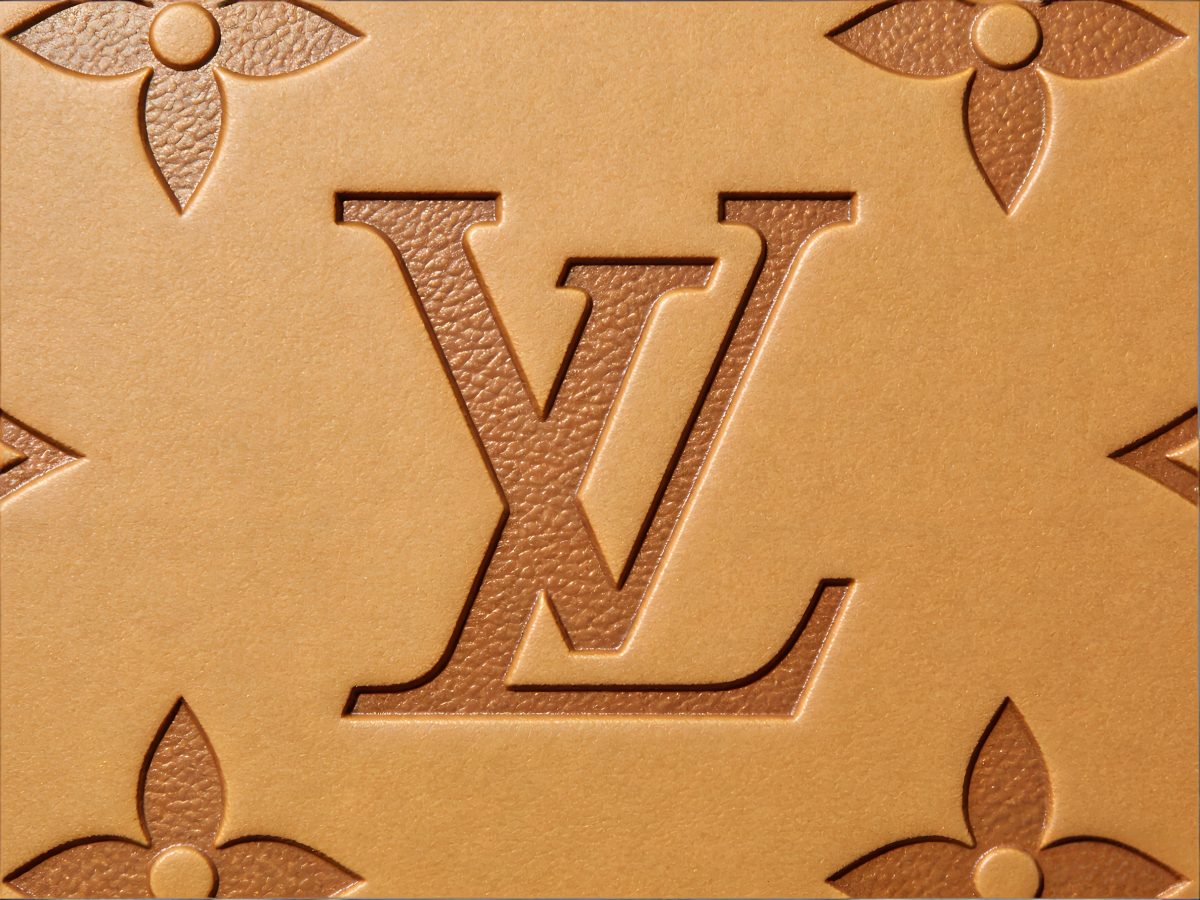
- Font & Spacing: Authentic logos have consistent, crisp lettering. Spacing is uniform. Louis Vuitton’s “LV” monogram should have sharp edges. The “V” must not be too rounded. Chanel’s interlocking “CC” logo must be symmetrical. Avoid uneven gaps between the two Cs.
- Stamping: Authentic bags feature clean, clear stamping. Look on the interior lining, leather tag, or hardware. Stamping should be deep but never blurry. Avoid smudged ink or misaligned letters. Counterfeits often have shallow, uneven stamping. Watch for typos like “Guci” instead of “Gucci.”
- Placement: Logos are placed intentionally on authentic bags. Hermès Birkin stamps are centered on the interior tab. Chanel Classic Flaps align the “CC” logo perfectly with the edge.
2. Hardware: Quality Over Flash
Luxury hardware uses high-quality metals like brass or palladium. It feels heavy, smooth, and durable. Counterfeit hardware often feels lightweight or cheap.
- Weight & Texture: Authentic hardware has substantial weight. Hold the zipper pull, lock, or buckle. If it feels flimsy or hollow, it is likely fake.
- Engravings: Most brands engrave their name on hardware. Louis Vuitton zippers bear “LV.” Hermès locks say “Hermès Paris.” Engravings must be crisp and even. Typos are a major red flag. Counterfeits often have shallow, blurry engravings.
- Finish: Authentic hardware has a smooth, consistent finish. Avoid chipping, discoloration, or uneven plating. Genuine gold-plated hardware has a warm, rich tone. Fakes may look brassy or overly shiny.
3. Leather & Materials: The Touch of Luxury
Luxury brands use only the highest-quality leathers. Examples include full-grain leather, calfskin, and lambskin. These materials have a distinct feel. Counterfeits often use synthetic or low-quality leather. Fake leather feels stiff, plasticky, or uneven.
- Texture: Authentic leather has natural variations. Look for small scars, pores, or uneven coloring. These add character. Synthetic leather often looks too perfect. It lacks natural flaws.
- Smell: Authentic leather has a rich, natural scent. Think of a new leather jacket. Counterfeits often smell like plastic, chemicals, or glue.
- Stitching: Luxury bags feature precise, even stitching. There should be no loose threads or fraying. Thread color must match the leather. Counterfeits often have sloppy stitching. Uneven spacing is common.
4. Interior Lining & Tags: The Hidden Details
Many counterfeiters focus on the exterior. They cut corners on the interior. This makes the inside a key area to check.
- Lining Material: Authentic bags use high-quality linings like silk or microfiber. They feel soft and smooth. Counterfeits often use cheap, scratchy material.
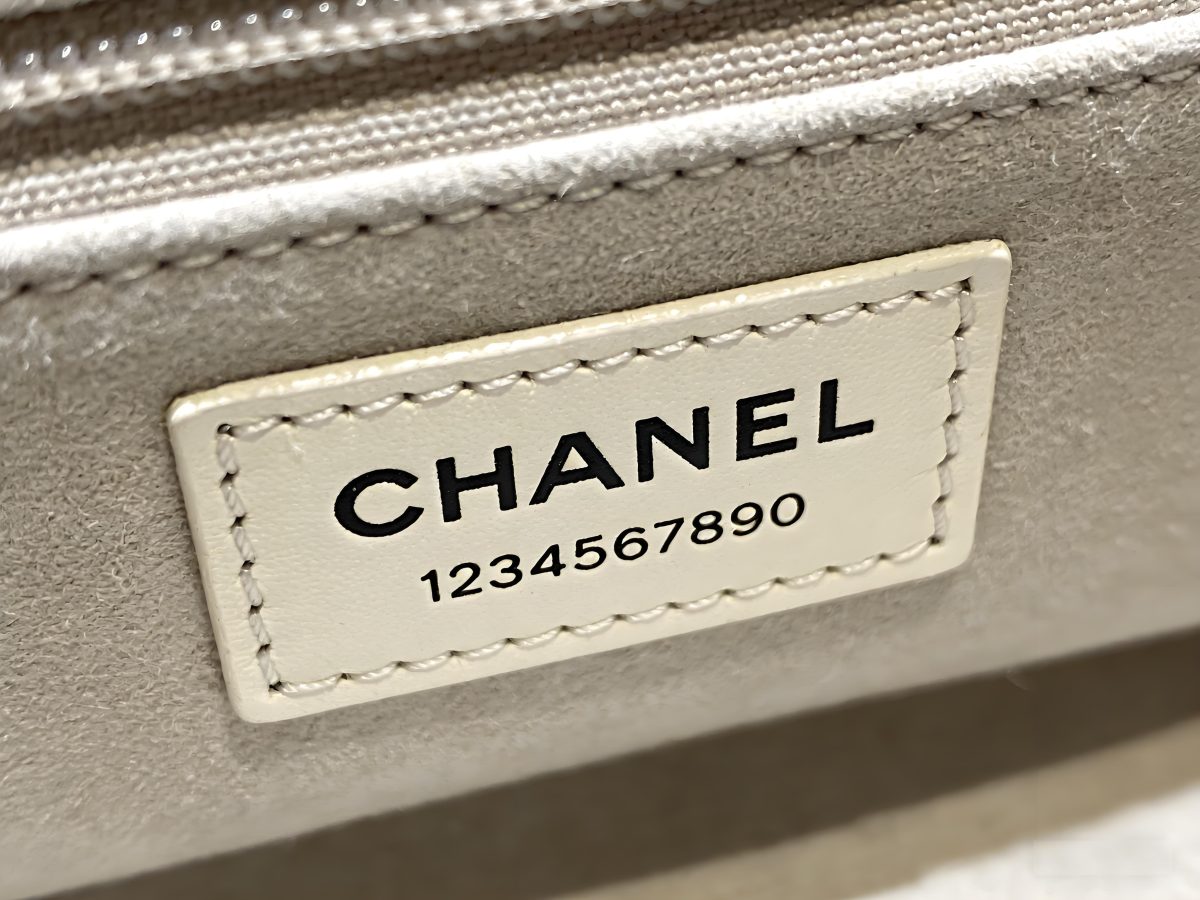
- Interior Tags & Serial Numbers: Most brands include a serial number or date code. Louis Vuitton uses a date code like “SD1234.” This indicates location and date. Chanel uses a serial number on a leather tab. Counterfeits may have fake numbers or missing tags.
- Interior Stamping: Authentic interiors often have additional stamping. This includes the brand name or country of origin. It must be clear and consistent. Counterfeits may have missing or blurry stamps.
5. Overall Craftsmanship: The “Feel” of Authenticity
Authentic luxury bags possess a level of craftsmanship fakes cannot replicate. Evaluate the bag as a whole.
- Symmetry: Authentic bags are symmetrical. Both sides must match in shape and size. Detail placement like pockets and handles should align.
- Structure: Luxury bags have a sturdy structure. They hold their shape even when empty. Counterfeits may be floppy or misshapen.
- Attention to Detail: Look for small details counterfeiters miss. Check for perfectly aligned seams and even edge painting. Hardware should match the bag’s overall design.
Brand-Specific Authentication Tips
The above checkpoints apply broadly. However, each brand has unique markers. Here are quick tips for popular pre-owned bags.
Hermès Birkin/Kelly
- The interior leather tab has a clear “Hermès Paris” stamp.
- Look for the craftsman’s initials and year code (e.g., “A” for 2014).
- The lock and key are heavy. Engravings must be crisp.
- The key comes in a leather pouch. It bears the same stamp as the bag.
- Stitching is hand-sewn with a “saddle stitch.” Each stitch is visible on both sides. There are no loose threads.
Chanel Classic Flap
- The interlocking “CC” logo is symmetrical. The top C overlaps the bottom C on the right.
- The serial number is printed on an interior leather tab. The font must be consistent.
- Verify the number with Chanel if possible.
- Leather has a “pebbled” texture (caviar) or soft feel (lambskin).
- Counterfeits often have overly shiny or stiff leather.
Louis Vuitton Neverfull
- The “LV” monogram is symmetrical. The “L” and “V” overlap perfectly.
- The pattern should align seamlessly across seams.
- The date code is on an interior leather tab (e.g., “SD1234”).
- Ensure the font is crisp. The code must match the bag’s age.
- Interior lining is canvas (classic) or microfiber (newer styles).
- Lining should be smooth with no loose threads.
When to Seek Professional Authentication
Some counterfeits are incredibly well-made. They require professional expertise to identify. Use this guide, but trust your instincts.
If you are unsure, seek professional authentication. This is crucial for high-value pieces like Hermès Birkins. Many pre-owned platforms offer authentication services. You can also work with a certified luxury authenticator.
Final Thoughts: Authenticity Is an Investment
Authenticating a pre-owned bag takes time. It requires attention to detail. However, it is worth it. Protect your investment. Build a collection of genuine, high-quality pieces.
Master the key checkpoints. Know the brand-specific markers. Seek professional help when needed. You can then shop pre-owned luxury with confidence.
Remember: a genuine bag holds its value. It also tells a story. Whether it is a vintage Chanel or pre-loved Louis Vuitton, each piece matters. Authentic items testify to craftsmanship and timeless luxury.